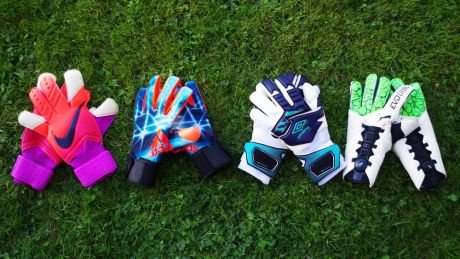
If you’ve ever played in goal for a while, you’ll know this odd moment when your gloves just don’t feel quite right anymore. Nothing obvious happens to them, they don’t split or fall apart, but your saves start feeling slightly less secure. A catch you’d normally hold suddenly feels a bit uncertain, and you’re left wondering if it’s your form or your gloves. Most of the time, it’s the gloves quietly giving up.
The thing is, goalkeeper gloves don’t really “tell you” when they’re done. They just slowly lose that dependable feeling. But once you know what to look for, it becomes much easier to spot when they’re still reliable and when they’re starting to let you down.
Grip that doesn’t feel like it used to
Grip is usually the first thing to change, even if you don’t notice it straight away. Fresh gloves give you that slight tacky feeling when you catch the ball. It’s subtle, but it builds confidence.
When it starts going, you might notice:
- The ball doesn’t “stick” quite the same way anymore
- Routine catches feel less secure than they should
- You start punching or parrying more out of hesitation
It’s not always dramatic, it’s just a slow loss of trust in your hands.
The palms quietly wearing out
Even if gloves still look fine from the outside, the palms usually tell the real story.
Watch closely, and you’ll often see:
- Smooth or shiny areas where grip used to be strong
- Uneven wear in the foam
- Sections that feel thinner or flatter than the rest
Once the surface loses that textured feel, the grip rarely comes back fully.
Fit starts feeling slightly off
This is one of those things you don’t notice immediately, but once you do, it’s hard to ignore.
Signs include:
- Fingers shifting slightly inside the glove during play
- Wrist strap not feeling as tight or secure
- Needing to adjust them between saves or during breaks
It might sound minor, but a loose fit affects confidence more than people realise.
Saves start feeling harsher
Another quiet sign is impact. Gloves are meant to soften the ball, especially on powerful shots.
When they’re worn out:
- Shots feel a bit heavier on your hands
- There’s less cushioning when you punch or block
- You hesitate more on close-range saves
That hesitation is often your body reacting before your mind catches up.
Small habits that affect lifespan
It’s easy to think gloves just wear out, but how you treat them plays a big role in how long they stay reliable. A few simple habits can make a noticeable difference:
- Let them air dry naturally after every use
- Avoid leaving them in a damp kit bag for long periods
- Rinse off dirt gently instead of scrubbing aggressively
- Don’t store them in direct heat or sunlight
These won’t make gloves last forever, but they do help slow down the decline.
Knowing when to replace them
A lot of keepers hang on to gloves too long because they still look okay. But performance matters more than appearance. If grip is fading, fit feels loose, and saves don’t feel as secure, that’s usually your answer right there.
When it gets to that point, it’s worth upgrading rather than forcing them to last longer than they should.
And when you do, it really helps to go through trusted shops to buy goalkeeper gloves, because specialist retailers understand fit, grip types, and playing styles properly. You’re not just picking something random, you’re getting gloves that actually match how you play, whether that’s match-day control, training durability, or extra finger protection.
So, do the gloves fail suddenly?
Goalkeeper gloves don’t fail suddenly. They fade quietly. And the real skill is noticing those small changes early, less grip, slightly worse fit, a bit more sting on impact. Once those start stacking up, your gloves aren’t really reliable anymore. They’re just holding on for a bit longer than they should.